
Buying an equipment trailer may seem like a simple decision, but many buyers realize later that small oversights can lead to long-term problems. Equipment trailers are built to carry heavy machinery, tools, and construction equipment, which means every detail from weight capacity to frame design matters more than it first appears. When browsing equipment trailers for sale, it’s easy to focus on size or appearance and miss critical functional elements that affect safety and usability. Understanding common mistakes before purchasing helps buyers avoid unnecessary repairs, towing issues, and limitations that can disrupt daily operations. A thoughtful approach upfront leads to better performance and fewer surprises over time.
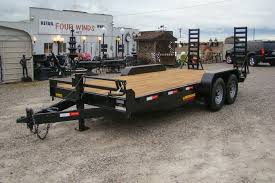
Choosing Size Based on Price Instead of Purpose
One of the most frequent mistakes is selecting a trailer simply because it fits a budget. While price matters, it should never be the main deciding factor. Equipment trailers need to match the type, size, and weight of the machinery being hauled.
A trailer that is too small limits usability, while an oversized trailer can be harder to maneuver and tow. Buyers should focus on practical requirements first and budget second.
Ignoring Weight Ratings and Load Limits
Many buyers underestimate how quickly equipment weight adds up. The Gross Vehicle Weight Rating (GVWR) includes the trailer’s weight plus the maximum load it can safely carry.
Overloading an equipment trailer can:
- Stress axles and suspension
- Reduce braking effectiveness
- Increase tire wear
- Create safety risks on the road
Ignoring weight limits is one of the fastest ways to shorten a trailer’s lifespan.
Overlooking Tow Vehicle Compatibility
Even a well-built trailer won’t perform safely if the tow vehicle isn’t properly matched. Buyers sometimes assume their vehicle can handle the load without checking towing capacity, hitch class, or brake controller requirements.
This mismatch can cause handling problems, increased stopping distances, and unnecessary strain on the vehicle. Proper compatibility ensures safer towing and smoother operation.
Underestimating Ramp Design and Loading Angle
Ramp design plays a major role in usability, yet it’s often overlooked. Equipment trailers with steep loading angles make it difficult to load low-clearance or heavy machinery.
Buyers should consider:
- Ramp length and width
- Weight capacity of the ramps
- Storage location when not in use
Poor ramp design can slow down loading and increase risk during operation.
Assuming All Frames Are Built the Same
Not all equipment trailer frames offer the same strength. Some buyers focus on appearance rather than construction quality. Frame design, crossmember spacing, and weld consistency all affect durability.
A weak frame may flex under load, leading to uneven wear and long-term structural issues. Solid construction ensures stability and reliability over time.
Ignoring Deck Material and Surface Grip
Deck material impacts both durability and safety. Smooth or worn surfaces can make equipment more likely to shift during transport.
Buyers should think about:
- Traction when loading equipment
- Resistance to wear from heavy machinery
- Ease of repair or replacement
The right deck surface improves securement and loading confidence.
Not Planning for Tie-Down Requirements
Equipment trailers must allow for proper load securement. A common mistake is assuming a few anchor points are enough.
Insufficient or poorly placed tie-down points can cause shifting during transport, increasing the risk of damage or accidents. Buyers should ensure the trailer supports securement for different equipment sizes and shapes.
Overlooking Brake Systems
Brakes are essential for safe towing, especially when hauling heavy equipment. Some buyers overlook the importance of brake quality or compatibility with their tow vehicle.
Electric brakes require a brake controller, and neglecting this detail can reduce stopping control. Proper braking systems improve safety and confidence on the road.
Failing to Consider Maneuverability and Storage
Large equipment trailers can be difficult to maneuver in tight spaces. Buyers often focus on hauling capacity without thinking about where the trailer will be stored or how it will be parked.
Turning radius, overall length, and backing ease should be part of the decision-making process, especially for residential or limited storage areas.
Skipping Long-Term Maintenance Planning
Equipment trailers require regular maintenance. Buyers sometimes underestimate how often components like bearings, brakes, and tires need attention.
Trailers designed with accessible components are easier to maintain and typically stay in service longer. Planning for maintenance from the start helps avoid downtime and unexpected costs.
Rushing the Purchase Decision
One of the biggest mistakes is rushing into a purchase without fully evaluating options. Equipment trailers are long-term tools, not short-term purchases.
Taking time to assess needs, usage patterns, and operating conditions leads to better decisions and more reliable performance.
Conclusion
Avoiding common mistakes starts with understanding how an equipment trailer will actually be used in real working conditions. Factors like weight ratings, loading angles, tow vehicle compatibility, and long-term maintenance all influence how reliable the trailer will be over time. Buyers who take the time to evaluate these details are less likely to experience safety issues or unexpected costs. When reviewing equipment trailers for sale, focusing on practical requirements rather than quick decisions leads to better long-term value. A well-matched trailer supports smoother transport, safer hauling, and dependable performance for years of consistent use.